
Blog
Tesla Battery Safety After Collision: What Tesla and EV Owners Must Know
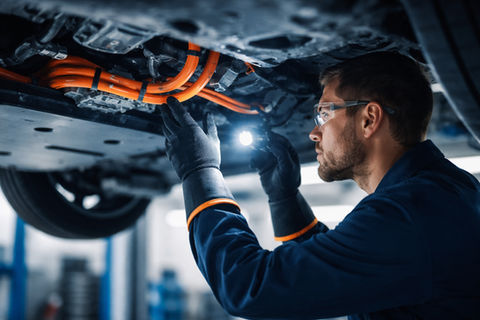
Concerned about Tesla battery safety after a collision? Learn hidden risks, red flags, and next steps for EV owners in Florida from Car Geeks Collision.
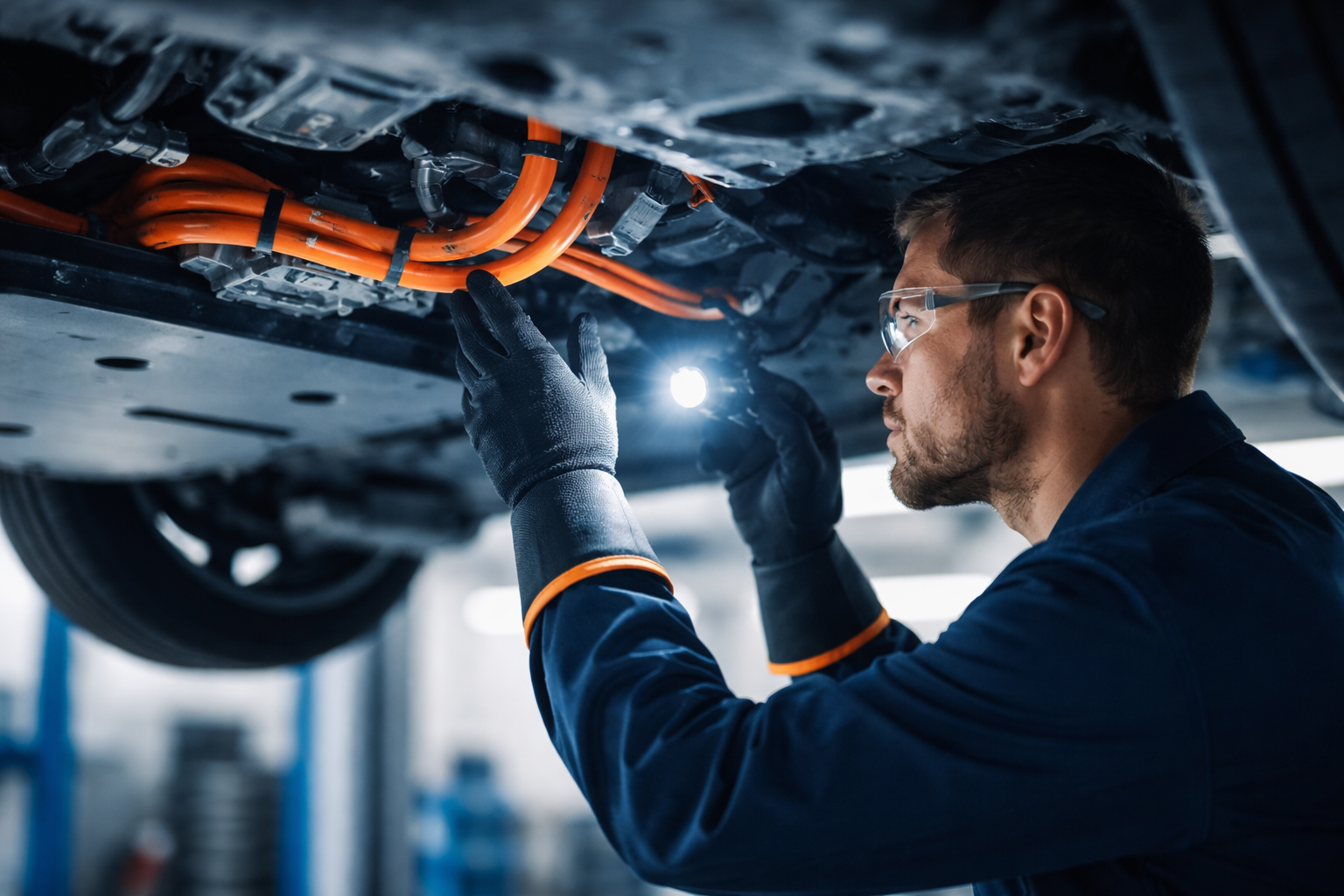
Tesla Battery Safety After Collision: What Tesla and EV Owners Must Know
A collision can feel “minor” on the outside—especially if the bumper damage looks cosmetic. But for EVs, what matters most can be hidden behind panels: the battery pack, high-voltage cables, cooling lines, sensors, and protective structures. If you’re searching for Tesla battery safety after collision, you’re already asking the right question: Is my EV still safe to drive—and what should I do next?
This guide explains the real risks, the warning signs to take seriously, and the correct next steps for Tesla and EV owners in Florida who want safety, quality, and value retention—not shortcuts.
Why EV Battery Safety Is Different After a Crash
Gas vehicles and EVs can both have hidden damage after an accident—but EVs add a critical factor: the high-voltage energy system.
The battery pack is a structural and electrical component
In many EV designs, the battery pack is integrated into the vehicle’s structure and protected by engineered crumple zones, shields, and reinforced mounting points. A collision can affect:
The pack enclosure and its sealing surfaces
Mounting points and underbody protection
Cooling components that regulate pack temperature
High-voltage cabling and connectors
Even if the pack is not directly struck, impact forces can transfer through the chassis.
Post-collision risk can involve heat, water, and electrical isolation
The most important concern is not “Will it start?” but “Is the high-voltage system still protected, isolated, and stable under real-world conditions?” That’s why a proper assessment matters for Tesla body repair safety and EV repairs in general.
What “High-Voltage” Means for Post-Collision Risk
“High-voltage” in EV terms typically refers to systems that operate far above a standard 12V battery. This enables performance and range—but also requires specialized procedures, protective equipment, and training during inspection and repair.
Key risk categories (general guidance)
Physical damage: dents, punctures, deformation of protective structures
Electrical damage: compromised insulation, damaged connectors, chafed cables
Thermal risk: cooling system issues that can lead to abnormal heat conditions
Water intrusion risk: damage that affects sealing, especially after heavy rain
Not every collision creates high-voltage danger. But you don’t want to assume safety based on how the exterior looks.
Tesla Battery Safety After Collision: Immediate Steps to Take
If you’ve had a collision—whether it’s a parking-lot hit, a curb impact, or a multi-vehicle accident—these steps prioritize safety first and preserve options for proper repair.
1) Don’t ignore warnings or new odors
If you see warnings related to the battery, electrical system, power limitation, or reduced performance, treat them seriously. If you smell something unusual (burning/chemical odor) or notice smoke/heat, move away from the vehicle and contact emergency services.
2) If the vehicle is drivable, drive cautiously—or don’t drive at all
A vehicle can appear drivable while still having compromised underbody components or cooling lines. If you notice scraping, rattling, new vibrations, reduced power, or fluid leaking under the car, it’s safer to stop driving and arrange towing.
3) Avoid charging until the vehicle is assessed (when in doubt)
Charging adds energy and heat management demands. If the collision involved the underbody, side impact near the pack area, or any high-voltage warning messages, it’s prudent to get an inspection first.
4) Document the incident for insurance and repair planning
Take photos of:
All damage angles
Underbody scrape marks (if visible)
Dash warnings and error messages
Any leaks on the ground
Warning Signs of Electric Car Battery Damage
Battery-related issues are not always obvious. Some signs may appear hours or days later—especially after temperature changes, rain exposure, or charging attempts.
Watch for these warning signs (general guidance)
High-voltage or battery warning messages on the dash/app
Reduced acceleration, “power limited,” or unusual driving behavior
Unusual heat from the floor area or a hot smell after driving
New fluid leaking (coolant-like fluid, clear/colored depending on vehicle)
Charging problems (won’t charge, charges unusually slowly, stops unexpectedly)
New or worsening range drop beyond normal conditions
Grinding/scraping sounds after an underbody impact
Frequent system alerts that weren’t present before
If you’re experiencing any of the above, it’s smart to treat it as a high-voltage system inspection situation—not a “wait and see.”
What a High-Voltage System Inspection Should Include
A quality inspection for EVs and Teslas should go beyond a glance and a quick scan. While exact steps vary by vehicle and damage type, a premium approach typically includes:
Visual and structural evaluation
Underbody inspection around the battery pack area
Checks for impact marks, deformation, or compromised shielding
Review of mounting points and adjacent structural elements
Cooling system checks
Evidence of leaks or damaged lines
Condition of radiators/heat exchangers relevant to EV thermal management
Signs of contamination or seepage after impact
High-voltage safety checks (performed by trained personnel)
Verification steps to assess high-voltage isolation integrity (method varies by make/model)
Inspection of orange high-voltage cabling and connectors for abrasion or pinch points
Evaluation of components near impact zones
Diagnostic scan and system communication review
Reading stored fault codes and freeze-frame data (when applicable)
Verifying which systems are reporting irregularities (battery management, thermal, safety modules)
Repair planning that respects safety and calibration needs
Identifying parts that must be replaced vs. repaired
Considering sensor/ADAS impacts from collision repair or alignment/suspension changes
EV Collision Repair Florida: Why Environment and Process Matter
Florida brings unique realities: sudden heavy rain, high humidity, and frequent temperature swings. Post-collision, that matters because:
Water exposure can worsen hidden issues
If a collision compromises underbody panels or seals, heavy rain and standing water can expose weak points. That’s one reason EV collision repair Florida owners should prioritize timely inspections—especially for underbody hits.
Corrosion risk over time
Moisture and road grime can accelerate corrosion on exposed metal parts, fasteners, and connectors (especially if protective coatings are compromised). A proper repair process includes restoring protection—not just replacing a visible part.
Towing and storage need EV-aware handling
Improper lift points or towing methods can create additional underbody damage. Choosing EV-experienced handling from the start reduces the chance of compounding the problem.
Quick Checklist: What to Do After an EV Collision
Use this checklist as your “next 24 hours” plan:
Check for warnings on the dash/app and document them with photos
Look for leaks under the vehicle (don’t touch unknown fluids)
Notice heat or odors—if present, move away and contact emergency services
Avoid charging until assessed if the impact involved underbody/side near pack, or any HV warnings appear
Limit driving if you feel vibration, scraping, reduced power, or handling changes
Arrange towing if you’re unsure (safer than risking further damage)
Schedule a high-voltage system inspection with a specialized shop
Keep records: claim number, tow receipt, photos, and timeline of symptoms
Short Real-World Scenario (Generic Example)
A Tesla owner in South Florida has a low-speed side impact in a parking lot. The door looks damaged, but the car still drives normally, so they continue using it. Two days later—after a heavy rainstorm—they notice intermittent alerts and a charging interruption that never happened before.
A specialized inspection finds damage in the affected side area and identifies components that need proper replacement and verification steps before normal charging and daily driving can continue confidently. The key lesson: EV safety isn’t only about visible damage—it’s about confirming the high-voltage system and surrounding structures are intact and stable.
FAQ: EV Battery Safety and Post-Collision Repairs
1) Is it safe to drive my Tesla after a collision if there are no warning lights?
Not always. Some issues don’t trigger immediate alerts. If the impact involved the underbody, side near the pack, or you notice new noises/handling changes, schedule an inspection.
2) Should I charge my EV after an accident?
If there are high-voltage warnings, underbody damage, fluid leaks, unusual odors/heat, or charging behavior changes, it’s safer to get assessed first. When uncertain, avoid charging until inspected.
3) What are the top signs of electric car battery damage?
Warning messages, charging problems, unusual heat/odors, fluid leaks, reduced power, or recurring alerts can all be signs that require professional evaluation.
4) What is a high-voltage system inspection?
It’s a specialized assessment of the EV’s battery-related safety systems—typically including underbody checks, cable/connector review, diagnostic scans, and model-specific verification steps performed by trained personnel.
5) Can a “minor” collision still cause serious EV issues?
Yes. Even low-speed impacts can affect sensor mounts, cooling lines, wiring paths, or structural areas that protect the high-voltage system.
6) How does EV collision repair Florida differ from other locations?
Florida’s rain and humidity can increase exposure risks if seals or underbody protection are compromised. Timely inspection and correct restoration of protective elements matter.
7) Will my insurance cover EV battery-related inspection or repairs?
Coverage depends on your policy and claim circumstances. This is general guidance—your insurer can explain what applies to your coverage and deductible.
Next Steps: Why Car Geeks Collision
When high-voltage safety is on the line, the right process matters: specialized inspection, correct repair planning, and careful handling of EV systems. If you’re concerned about Tesla battery safety after collision, your next step should be a professional evaluation designed for EV risks—not a generic approach.
Why Car Geeks Collision
Car Geeks Collision can support EV owners with a safety-first, specialized repair mindset.
Car Geeks Collision offers courtesy towing, courtesy loaner vehicles, deductible assistance, and financing available.
Contact: +1 786-786-1387
Website: https://www.cargeekscollision.com
If you’ve had a collision and you’re unsure about battery or electrical safety, contact Car Geeks Collision to schedule a specialized assessment. The goal is simple: confirm your EV’s high-voltage systems are safe, stable, and repaired using the right procedures—so you can drive and charge with confidence.
A collision doesn’t have to be severe to justify caution. For Tesla and EV owners, Tesla battery safety after collision is about verifying what you can’t see: high-voltage integrity, cooling stability, underbody protection, and correct repair steps. If you notice warnings, leaks, charging issues, or simply want peace of mind after impact, a specialized inspection is the smart move—especially in Florida’s wet, high-humidity driving environment.